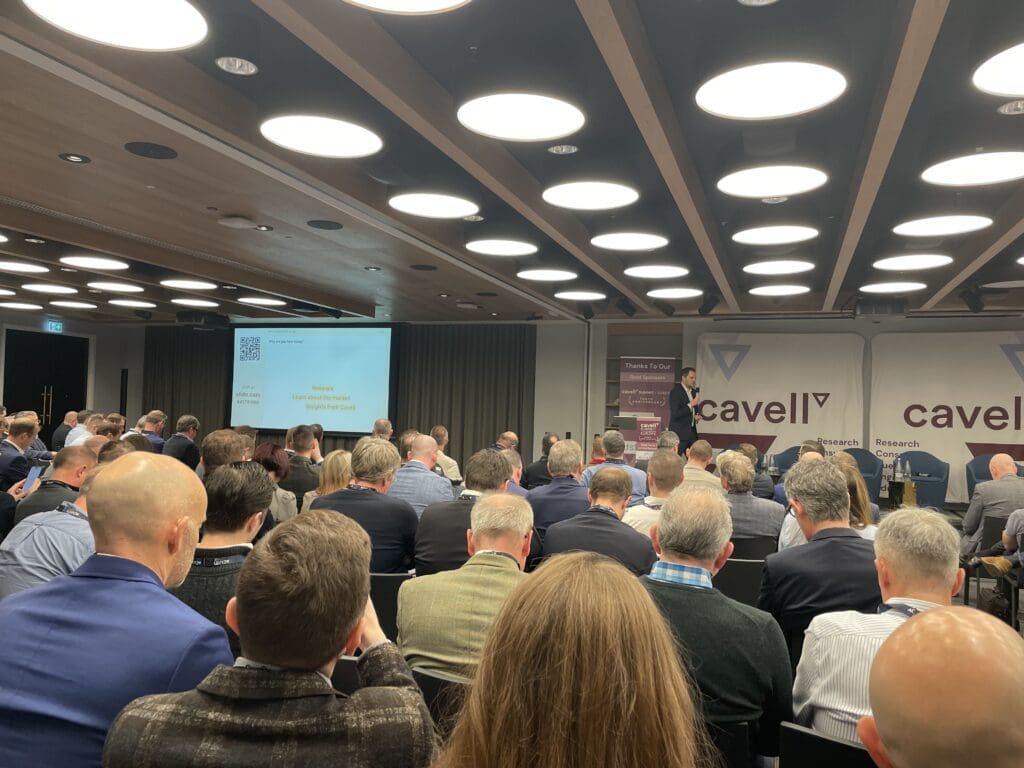
An audience poll conducted during the keynote revealed that service providers are particularly interested in understanding AI’s impact on customer experience and the growth potential for SMB-focused CCaaS offerings. This aligns with the broader trend of bringing enterprise-grade capabilities to smaller businesses through more accessible, cloud-based solutions.
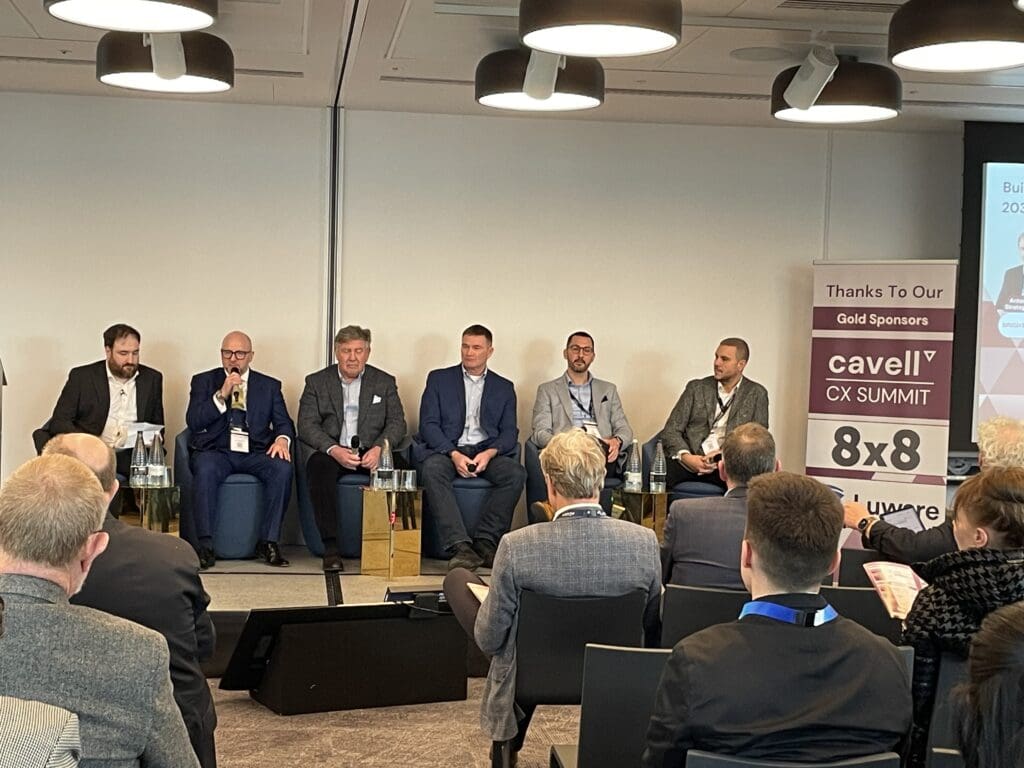
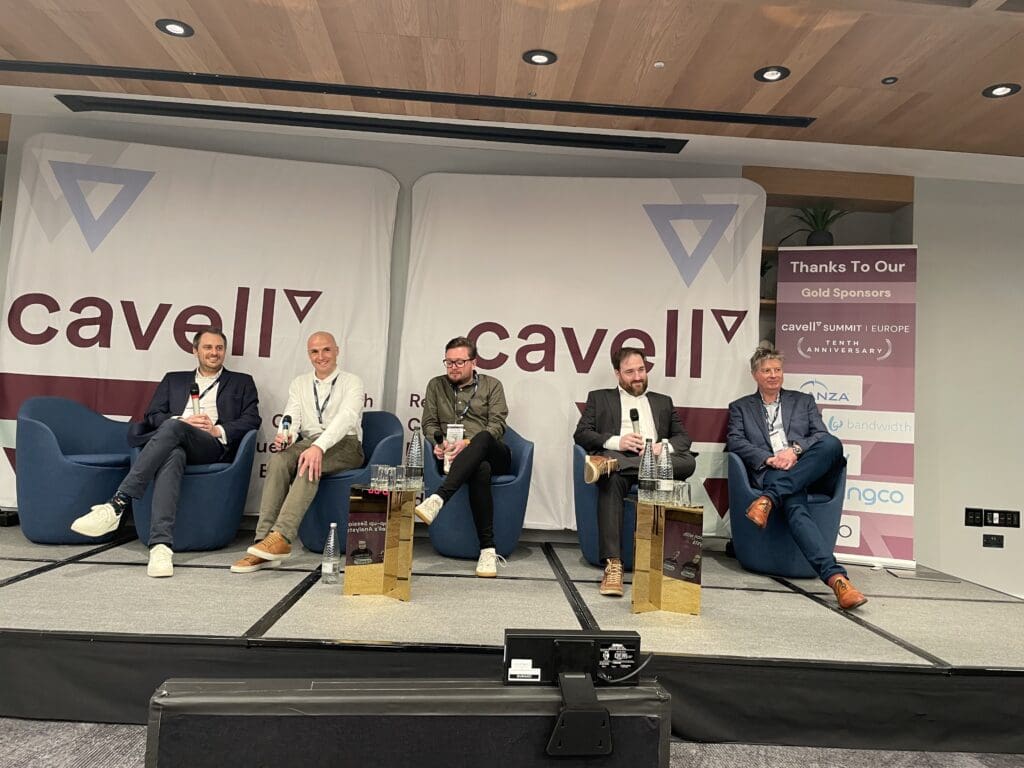
The summit’s first panel session brought together heavyweights from across the CX platform world, with representatives from Five9, ContentGuru, NICE, BrightPattern and Dialpad engaging in a spirited debate about the future of customer experience technology.
Despite their competitive positioning, these industry leaders found common ground on one critical point: automation and efficiency will be central to next-generation solutions.
Where disagreement emerged was around implementation priorities – should development focus on fully automated customer interactions or concentrate instead on augmenting human agents with AI assistance?
The panel ultimately concluded that successful implementations would likely blend both approaches, with the optimal mix determined by specific use cases and customer preferences. What became clear is that the future isn’t a binary choice between humans and machines but rather finding the right combination of both.
One noteworthy point raised during the discussion was identifying a significant skills gap in the market.
Despite all the enthusiasm for AI-powered customer experience, service providers and end customers often lack a deep understanding of AI capabilities and implementation approaches. This makes it challenging to realise the potential benefits of these technologies fully.
This gap presents both a challenge and an opportunity for providers who can effectively bridge it with education and simplified implementation paths. This point resonated with many attendees based on post-panel discussions.
The main program was complemented by focused sponsor sessions, with Luware highlighting the benefits of Microsoft Teams-focused contact centres. Their presentation demonstrated how organisations can leverage existing Teams deployments to create seamless integration between collaboration and customer experience platforms.
Meanwhile, 8×8’s sponsor session focused on creating smarter customer experiences through CPaaS and AI. Their presentation showcased practical examples of how these technologies can be deployed to enhance customer interactions across multiple channels while maintaining consistent experiences.
The CX Summit track underscored the growing convergence between unified communications, collaboration tools, and customer experience platforms.
As organisations seek to create more integrated experiences for employees and customers, the boundaries between these previously distinct technology categories continue to blur, creating challenges and opportunities for traditional providers in these spaces.
This convergence mirrors the broader trend seen across the main Cavell Summit, where the lines between UCaaS, CCaaS, and CX solutions are increasingly difficult to distinguish as providers expand their portfolios to address evolving customer requirements.
The key takeaway for service providers navigating the market is that specialisation and deep expertise in customer needs may prove more valuable than broad technology capabilities alone.




 Back
to
all
Back
to
all