Changing Investment Landscape for the Fibre Market:
So, what does this mean for the future of the Altnet market and the investment opportunity in the space?
The Cavell team attended the Connected Britain conference in London last month and heard from a number of major players in the fibre space and what they had to say about overbuild and what the long runways to profitability may mean for the state of the market going forward.
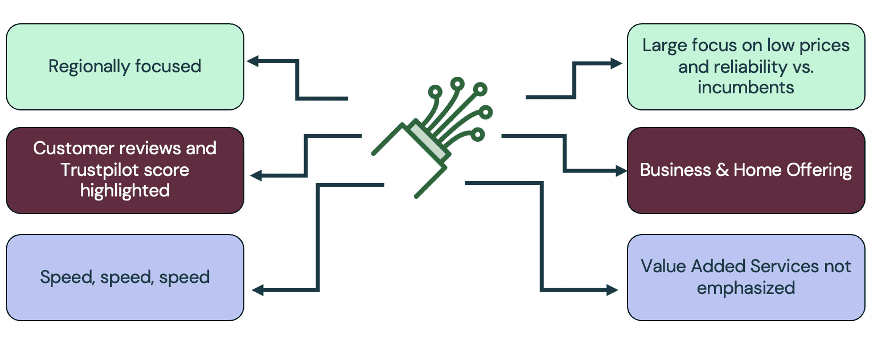
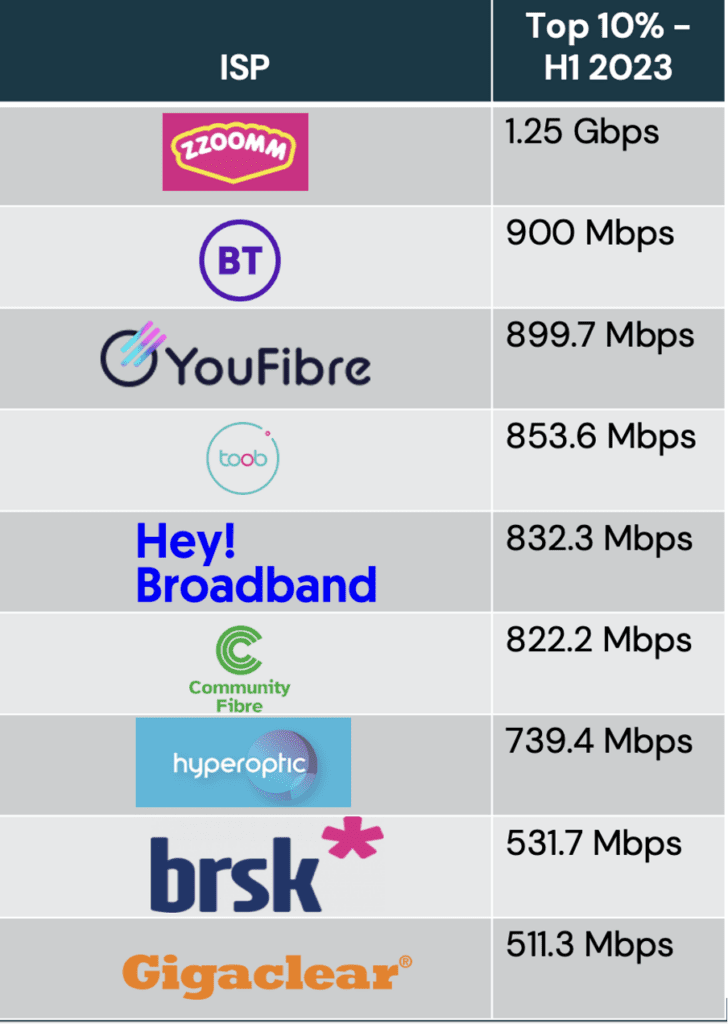
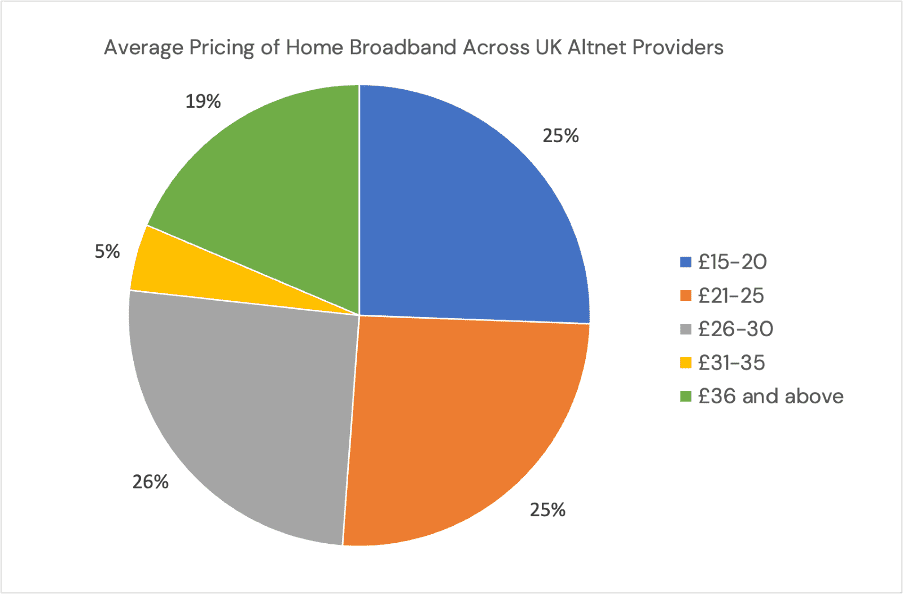
First, it was abundantly clear that quality of investment is becoming much more important in the Altnet space. The panellists on the “changing investment landscape for the fibre market,” emphasized that as opposed to ten years ago when there was an abundance of capital, the investment community is now more focused and discerning than in the past. For instance, the investment community are looking for differentiators other than speed, and more towards companies with unique buying personas for their customers, better latency, or more competitive pricing.
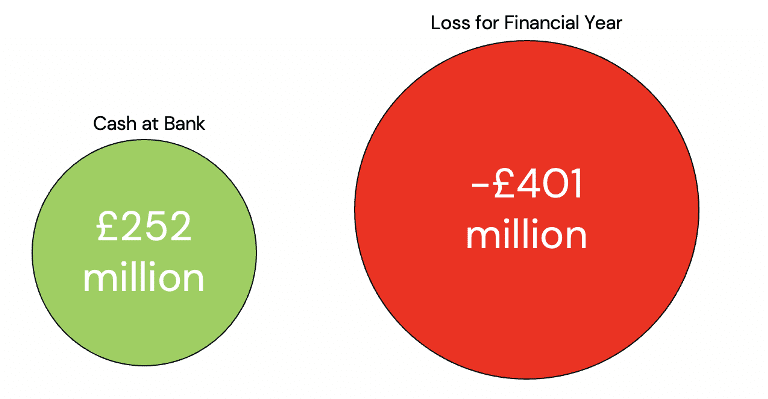
Some of the criteria investors are looking for when assessing a company are having a high-quality management team coupled with a ruthless focus on the commercial viability of any new Altnet. These will be essential moving forward. And, as the panellists emphasized, a key factor in assessing this viability is predicting where there will be, or is already, overbuild in the area where the Altnet is operating. It is this overbuild that will ultimately lead to the consolidation of many of the Altnets and with it change the shape of the market for providers and investors alike.
In fact, these investors emphasized that Altnets will need to refocus their business plans to adapt to the current investment environment. A predominate aspect of this refocusing is making sure that Altnets are planning for the longer term, and building businesses cases and infrastructure that is future proof. This comes down to the interoperability and reliability of Altnet infrastructure which needs to be sustainable 10-20 years down the line.
And, with this future proofing in mind, many of the larger Altnets are already keen to pick up any distressed assets. City Fibre’s CEO stated that they are aware of the fact that they will be able to gain more users more quickly through acquisition than through continuing to build out their network, especially with labour shortages and the threat of overbuild.
Interestingly, too, there seems to be a special sort of conundrum when it comes to pinpointing what characteristics will make an Altnet flourish and what might inevitably
lead them to be the target of a roll up from the likes of Hyperoptic of CityFibre. While Altnets undoubtedly need to grow and attract customers in order to survive, the key selling point of most Altnets is owning assets and having a network that is directly tailored to the region or a community. In fact, smaller Altnets are oftentimes hyper local, with marketing and reach that positions them as the best option for a particular community. This poses problems, however, when these providers aim to go outside of their regional areas to attract new customers and grow their businesses, as what once made them unique no longer becomes a viable USP as they expand.
For this reason, the smaller regional Altnets, may be most vulnerable to failing to become profitable, especially as competition and overbuild become increasingly prominent in many regions in the UK.
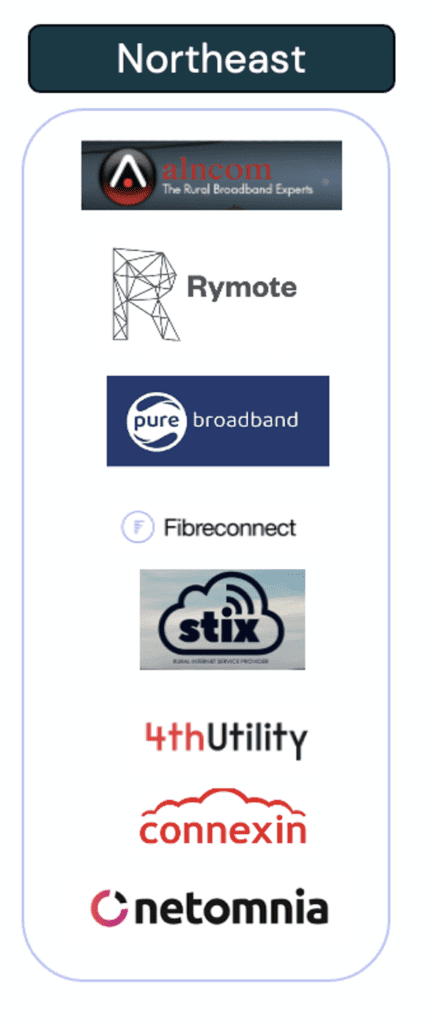
Take the northeast of England as an example. In and around Hull, there are 8 Altnet providers currently operating across this small region, making competition fierce and overbuild inevitable. Cavell predicts, then, that there might be mergers between these companies or larger players from other regions may acquire them to help gain coverage into new areas.




 Back
to
all
Back
to
all